
Pain and Mobility
Gentle acupuncture, Tui Na and Chinese medicine for pain and stiffness, to support you in moving with more confidence, in Wendover near Aylesbury.
Gentle acupuncture, Tui Na and Chinese medicine for pain and stiffness, to support you in moving with more confidence, in Wendover near Aylesbury.

Pain can affect every part of life. It makes everyday tasks harder, knocks your confidence in moving and slowly limits the things you enjoy. And it is tiring!
Pain shows up differently in everyone. It is personal, and it has its own qualities.
No two people experience pain the same way.
The people I see describe their pain well: what it feels like, where it starts, how it moves and what makes it better or worse.
They can tell me how it holds them back, and the impact it has on their lives. That is where we begin.

People come with all kinds of pain, whether it started recently or has been there for years. Some of the things I see:
Whatever has brought them here, people ultimately come for relief. This isn’t a complete list, so do ask if your pain isn’t here.
Pain is the body communicating.
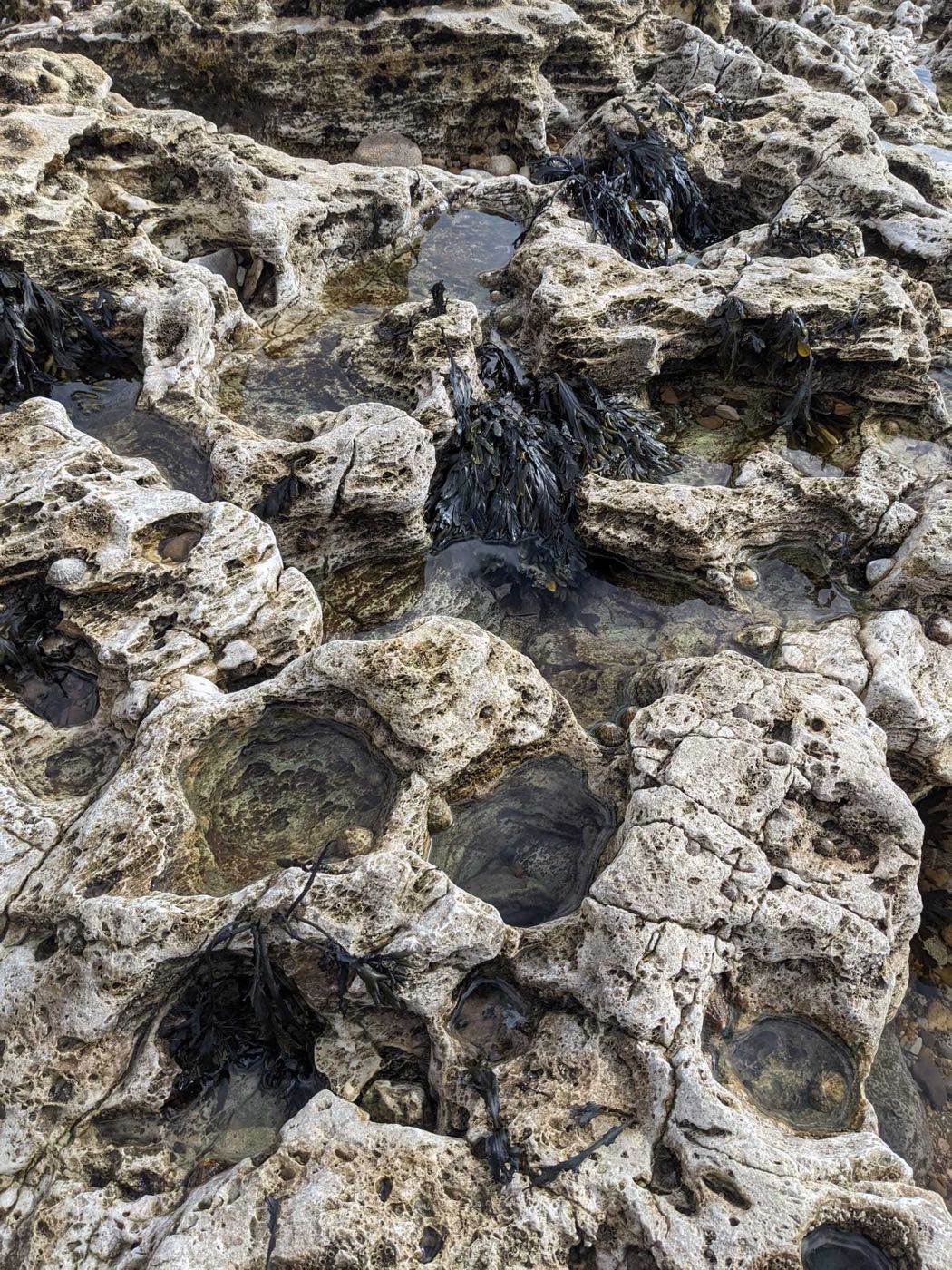
Pain can knock your confidence in moving. Over time, you may start avoiding things you enjoy, because it hurts too much or you’re worried about making it worse.
The aim is not only to ease discomfort, but to help you return to the things that matter to you.
Whether that’s gardening, exercise, work or time with family, moving more freely can make a real difference to your quality of life.


After we’ve talked, I use touch to find where the pain sits and which channels are involved. I feel the skin, muscles and fascia, looking for tightness, nodules or weakness that point to the root of the pain.
With your feedback, I press points in the hands and feet to see whether anything eases. I may also follow the channel further up or down to see what else has been affected.
My approach is strongly influenced by Dr Wang Ju-Yi, who taught careful palpation and listening to what the channels tell us.
“We must listen to what the channels are telling us.”
I look at pain in the context of your whole body and its story. I start with a full history, and touch shows me how the pain has moved through the body and what else it has affected.
Channel Theory particularly interests me. Rather than looking only at where you feel pain, I follow how it moves and the pathways that connect different areas.
That’s why I may work on your hands, feet, arms or legs when the pain is elsewhere. People often find it fascinating to feel how seemingly unrelated areas affect each other.

Everything I do is gentle. Alongside acupuncture I may use Gua sha, cupping or the heat lamp, and we’ll always talk these through in the session.
How treatment goes depends on many things, including your lifestyle, work, other pressures and how long you’ve lived with the pain. I adapt my approach to your needs and the treatments you prefer.
As a guide, I suggest a course of six sessions to see whether treatment is supportive for you.

If pain or stiffness is holding you back and you’re curious whether acupuncture could support you, I’d be delighted to hear from you.
Prefer to ask a question first? Email Charlotte
Research into acupuncture for pain is ongoing, and the evidence varies between conditions. Acupuncture is often used alongside conventional care. If your pain is new, severe or getting worse, please also speak to your GP.
Some useful places to read more:
I occasionally share thoughts on wellbeing, neurological health, sleep, stress management and Chinese medicine.